Limestone, travertine and marble are the three natural stones most often specified for high-end facades and villas. Each has a different look, texture and set of strengths. Choosing well depends on the architecture, the climate and the level of detail the design requires. This guide summarises how we help architects and developers decide.
Limestone: the classic choice for carved facades
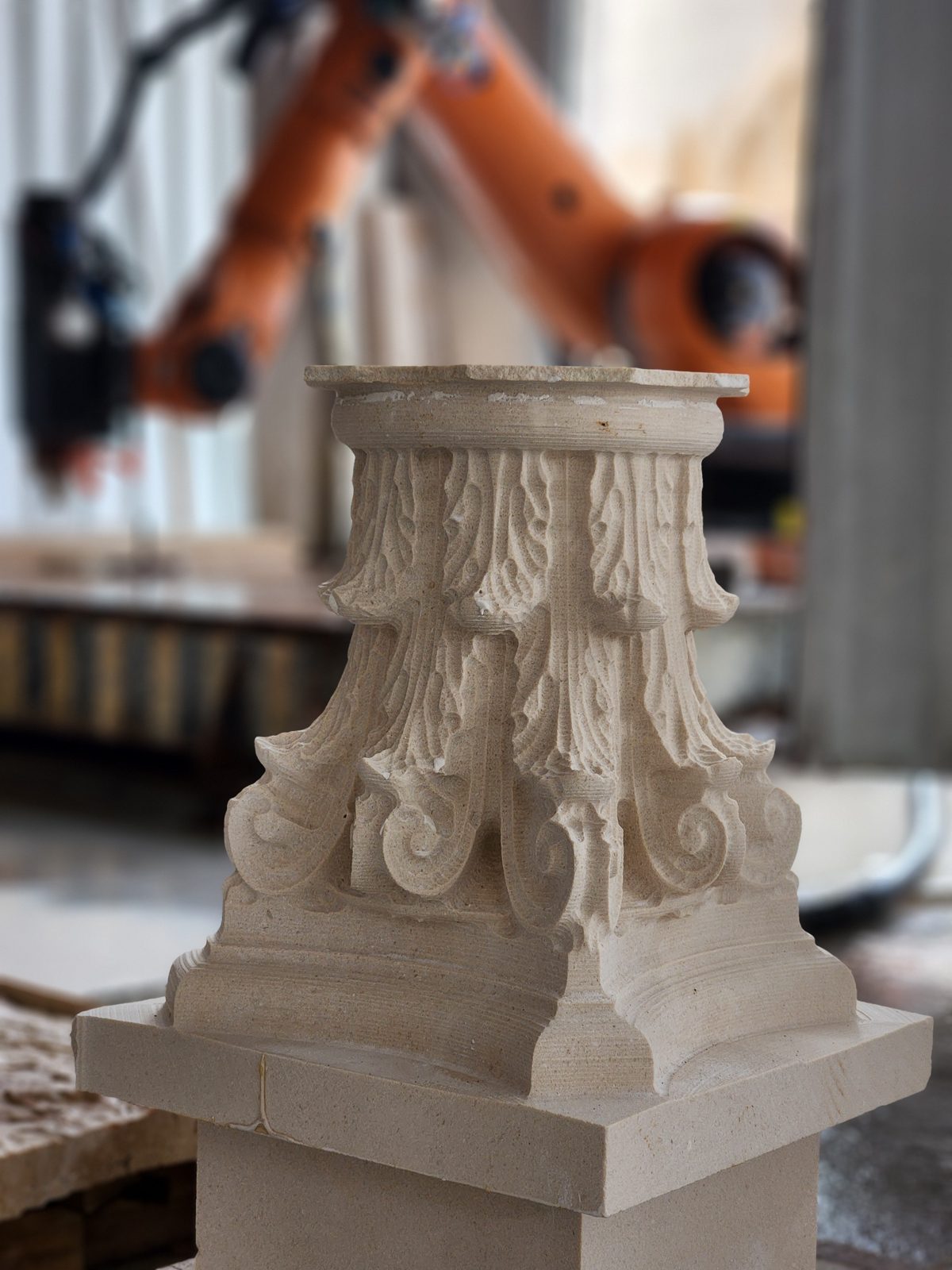
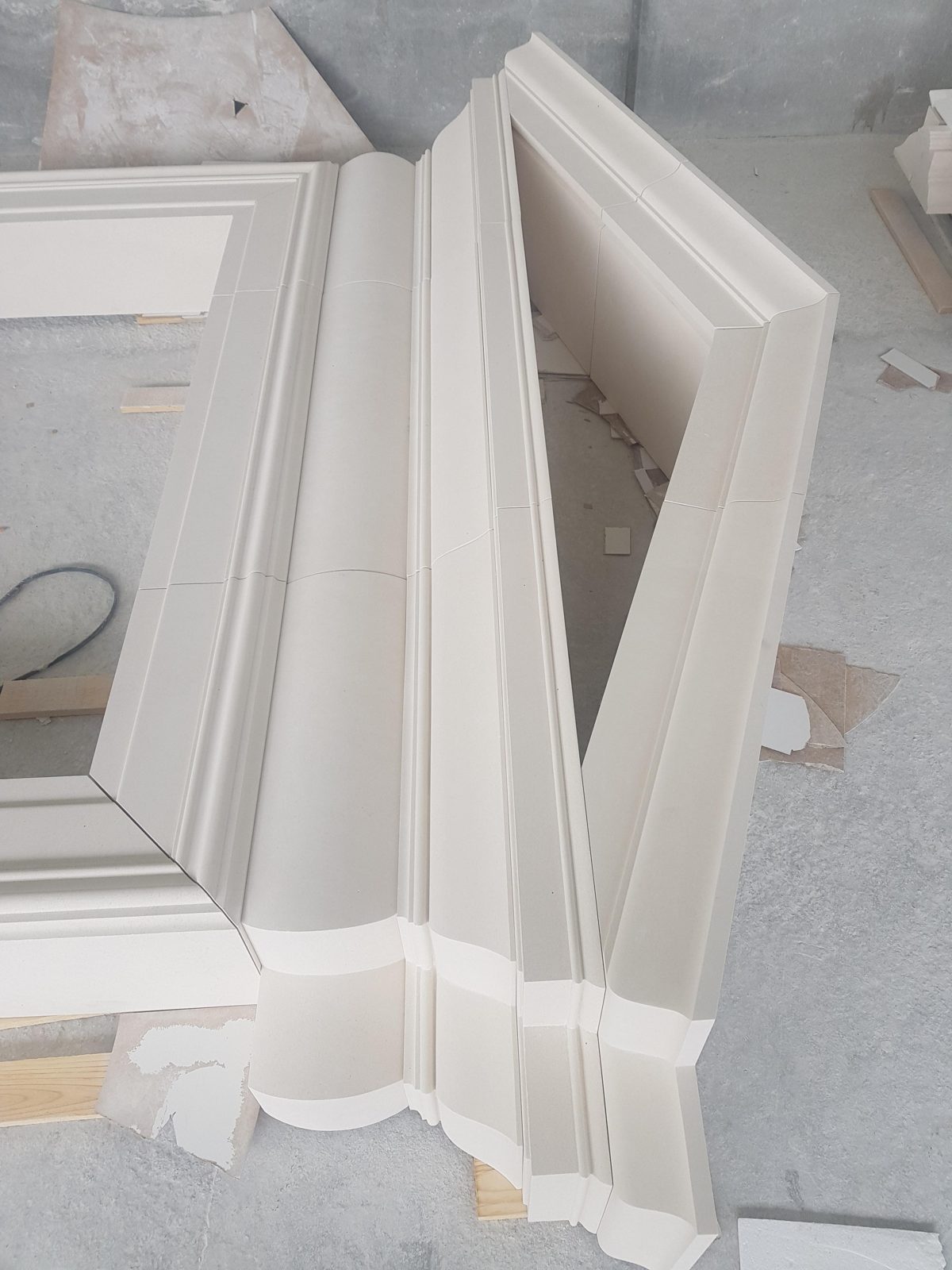
Limestone has a calm, even appearance and carves beautifully, which makes it the natural partner for classical architecture: columns, capitals, cornices, window and door surrounds and balustrades. Light, uniform limestones give a facade a refined, monolithic look.
Project examples: a private compound in Kuwait in limestone, a Palm Jumeirah, Dubai'de özel bina in seashell limestone, a private villa in Syria in Palmyra limestone, and ABD'de özel konutlar in limestone and super white limestone.
Travertine: warmth and texture
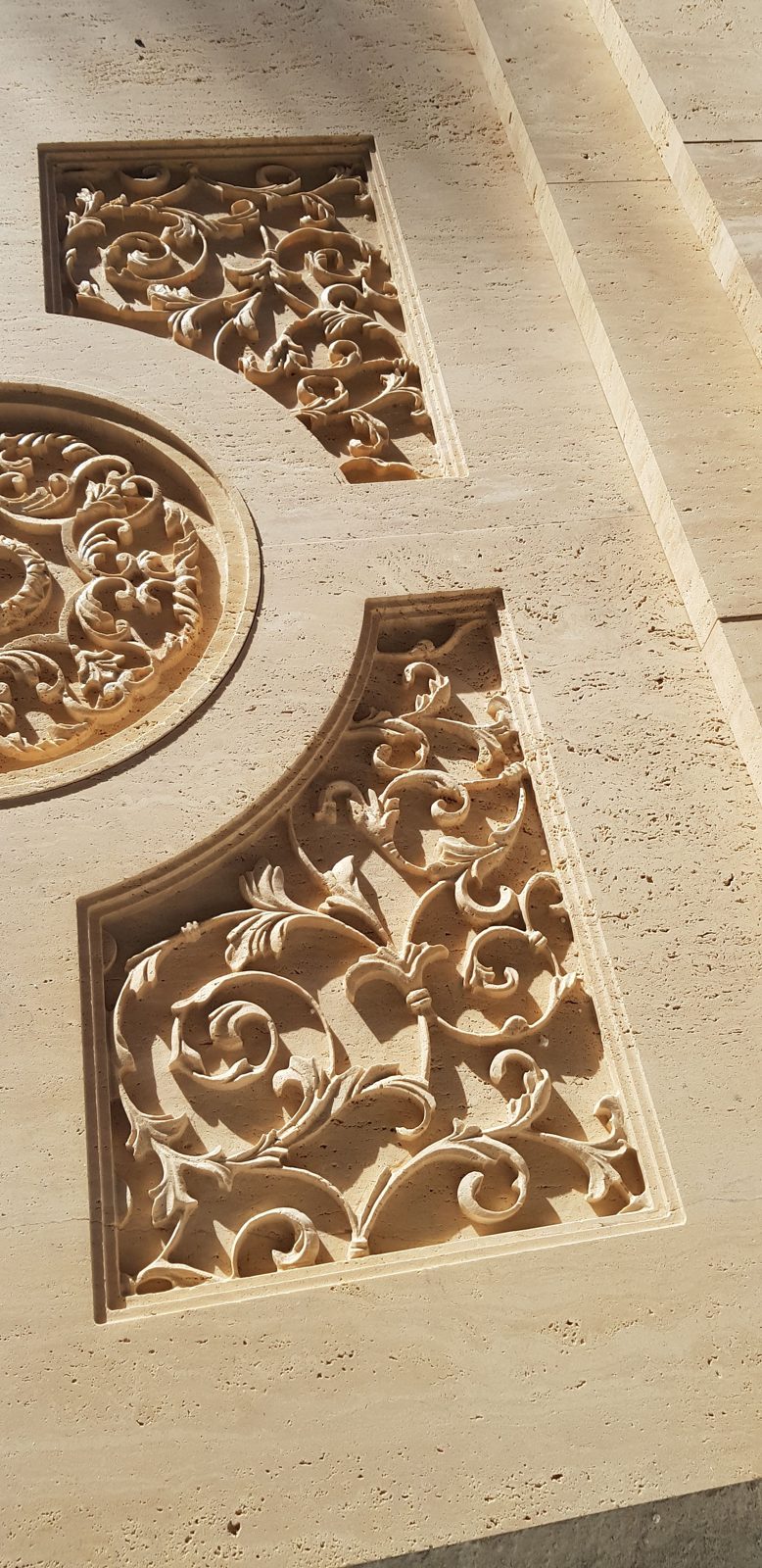
Travertine is recognisable by its natural pores and warm tones. Depending on how it is cut and finished, it can look calm and classical or strongly textured. Cross-cut travertine shows a cloudy, uniform pattern; vein-cut travertine shows linear banding. Grooved, tumbled and split-face finishes add depth to walls and cladding.
Project example: the Kuveyt'teki El Ganim Camii, clad in classic light travertine, cross cut.
Marble: contrast and character
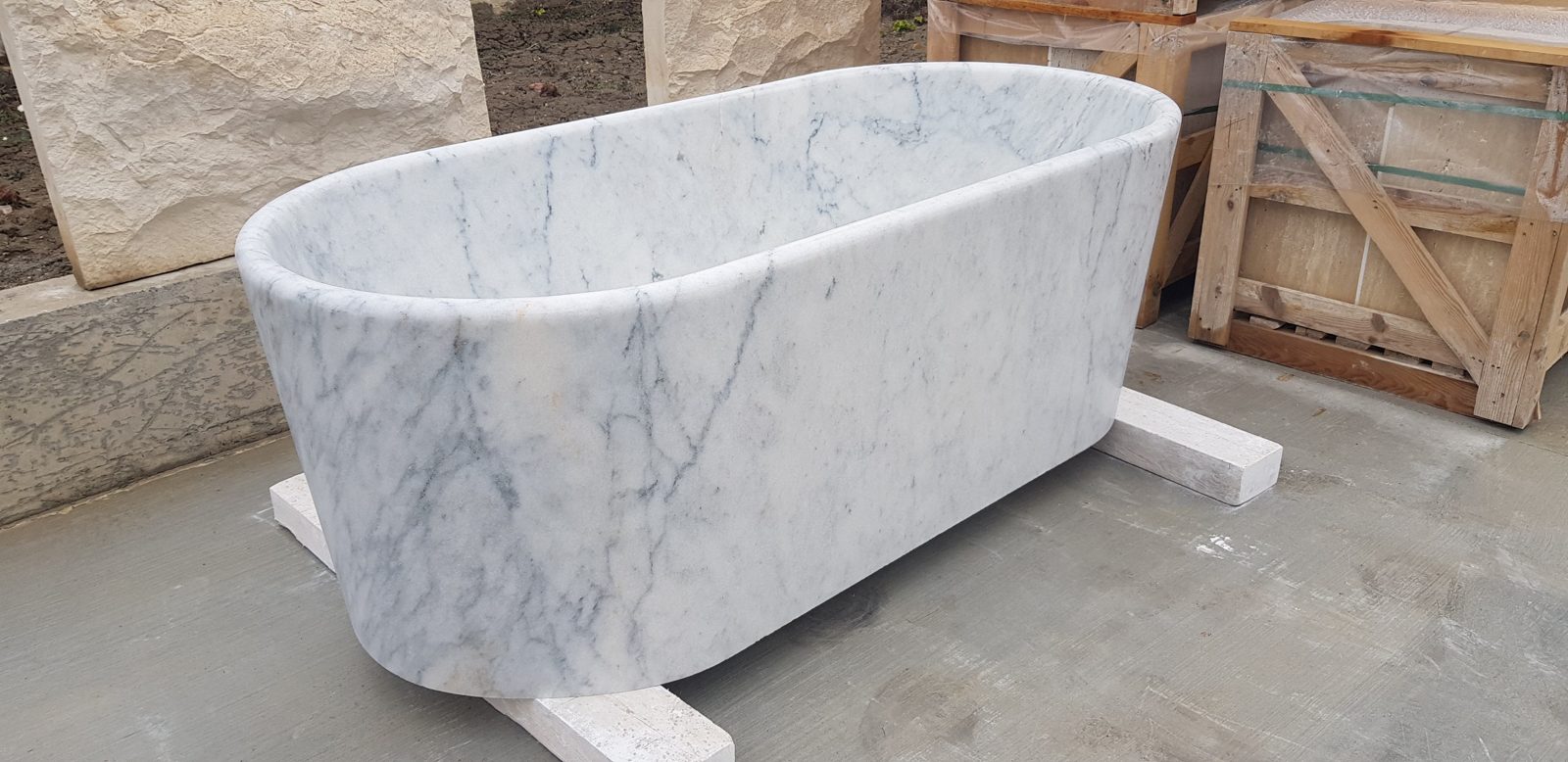
Marble offers the widest range of colours and veining. Grey marbles such as Tundra Grey suit contemporary villas, often combined with limestone for contrast. White marbles are frequently chosen for interiors, bathrooms and statement pieces.
Project examples: a private residence in the USA in Tundra Grey and a private villa in Kuwait combining Tundra Grey and limestone.
How to choose: five questions to ask
- What is the architectural language? Classical, ornament-rich designs usually favour limestone; textured contemporary designs often suit travertine; high-contrast modern designs often use marble.
- How much carving is required? Stones with an even structure are easier to carve into fine detail.
- What is the climate? Hot, humid, coastal or freeze–thaw conditions all influence stone selection, thickness and finish.
- What finish is intended? Honed, brushed, sandblasted, bush-hammered, polished or split-face finishes change both appearance and slip resistance.
- Is colour consistency important? For large facades we recommend reviewing samples and block selection early to keep tones consistent across the building.
One partner from block to facade
Ebla Stone supports projects from material selection and technical drawings to robotic production, hand-finishing and installation support. We can supply both flat cladding and the carved architectural elements that give a facade its character.
Sıkça Sorulan Sorular
Which natural stone is best for a carved facade?
Limestone is usually the best choice for carved facades because its even structure allows fine detail for columns, capitals, cornices and surrounds.
What is the difference between cross-cut and vein-cut travertine?
Cross-cut travertine is cut parallel to the bedding and shows a cloudy, uniform pattern, while vein-cut travertine is cut across the bedding and shows linear banding.
Can marble and limestone be combined on one facade?
Yes. Many villas combine a grey marble such as Tundra Grey with limestone to create contrast, as in Ebla Stone’s private villa project in Kuwait.
Where has Ebla Stone supplied facade stone?
Ebla Stone has supplied facade stone to projects in Kuwait, Dubai (Palm Jumeirah), the USA and Syria.
Bir proje mi planlıyorsun? Bizim göz atın doğal taş ürünler, tamamlanmış çalışmalarımıza bakın portföy, veya teklif iste - ekibimize doğrudan şu adresten de ulaşabilirsiniz: WhatsApp (+90 539 619 43 35).