Afyonkarahisar, in western Turkey, is one of the world’s most important natural stone regions. The İscehisar district alone is home to dozens of quarries and processing plants, and stone from this area is used in residences, mosques, hotels and public buildings across the Middle East, Europe and North America. Ebla Stone has worked with natural stone since 2009 and has operated its own factory in the İscehisar Marble Organized Industrial Zone since 2014.
What stones come from the Afyonkarahisar region?
The region is best known for white and cream-toned marbles, but it also gives architects access to a much wider palette through Turkey’s wider stone network. The materials we work with most often include:
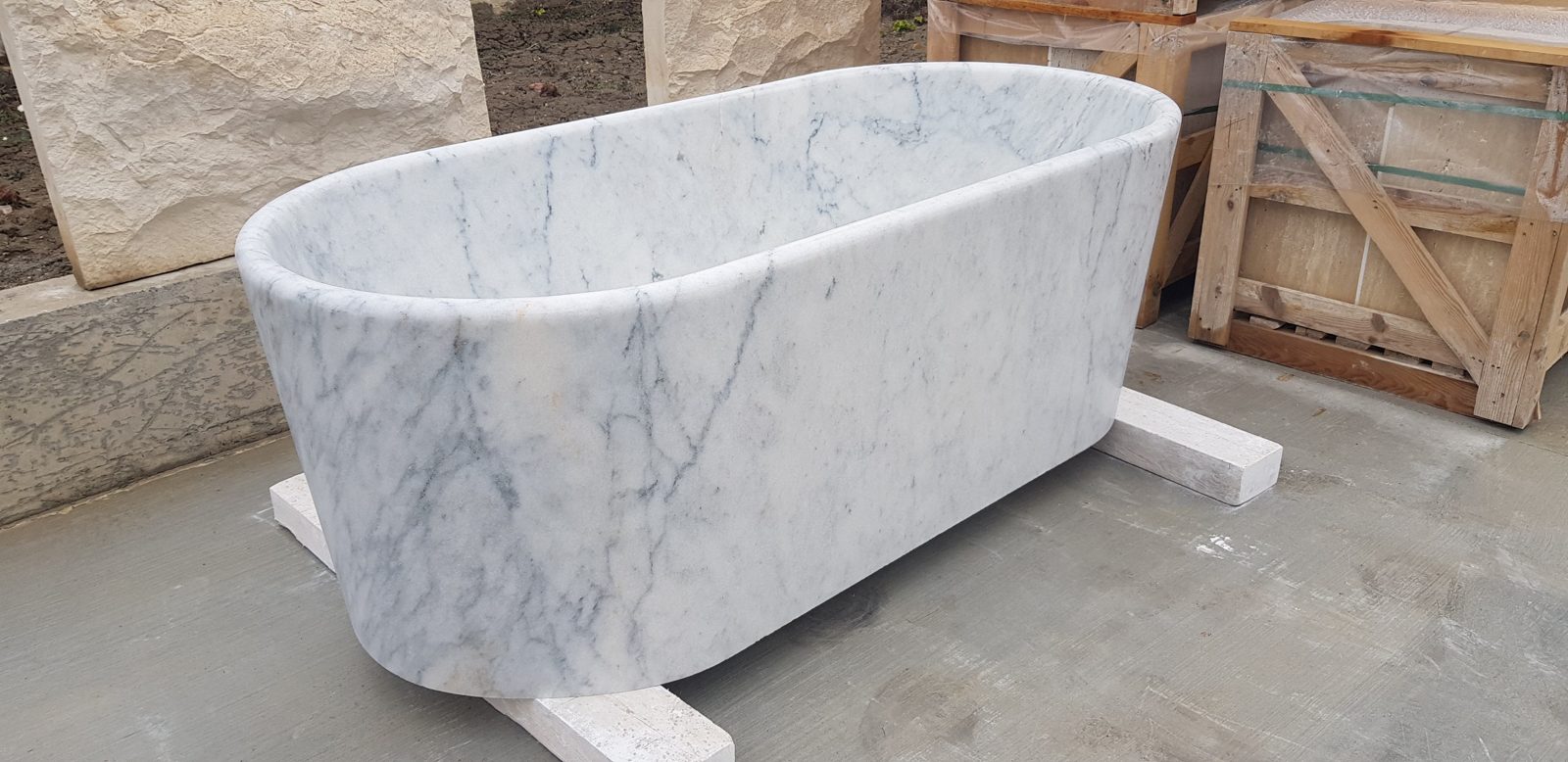
- White marbles – bright, fine-grained stones used for bathtubs, basins, sculptures and interior cladding.
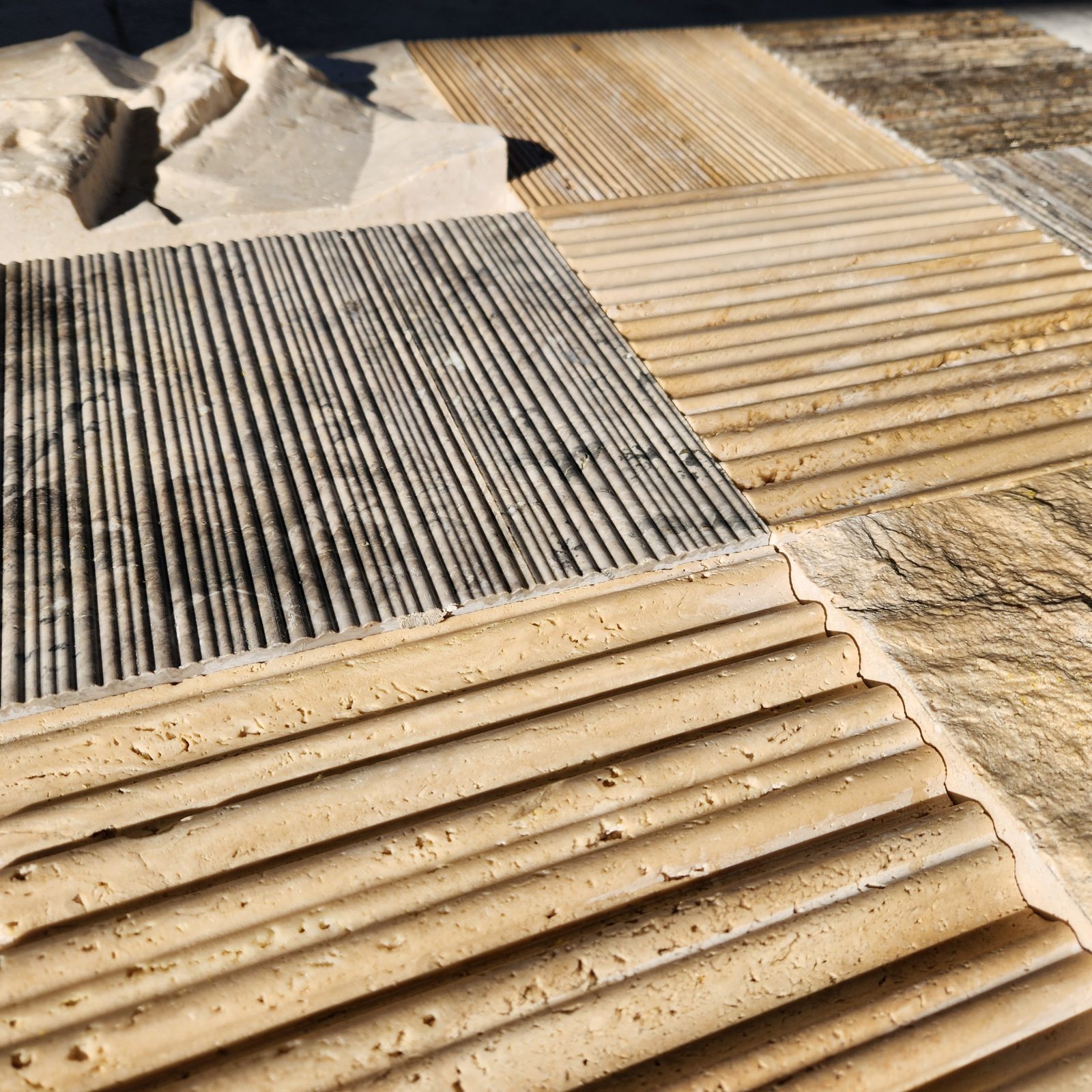
- Travertine – warm, porous stone that can be honed, tumbled, grooved or left split-face for facades and wall cladding.
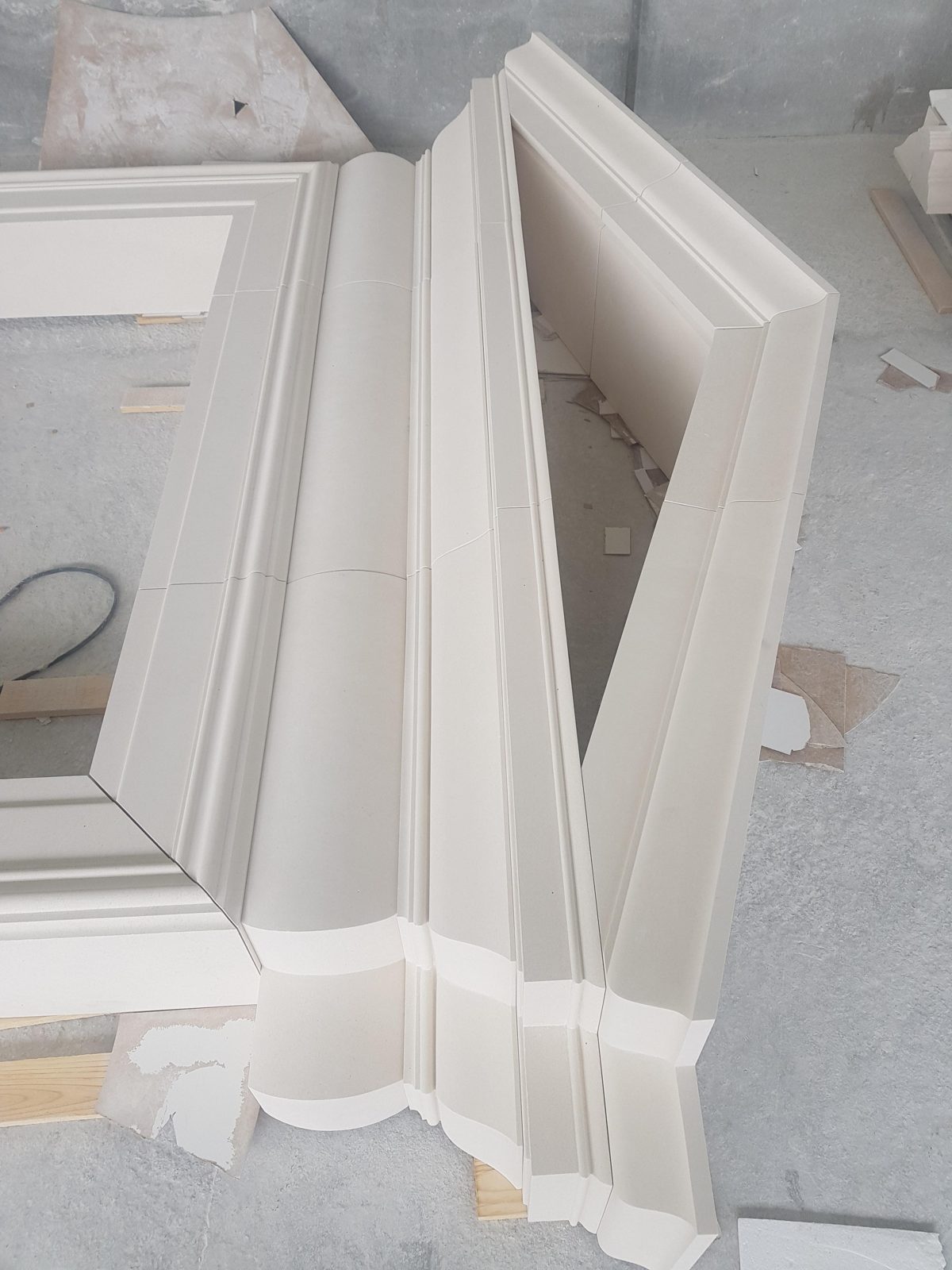
- Limestone – including light, uniform limestones ideal for carved capitals, cornices, door surrounds and full building facades.
- Onyx – translucent, banded stone used for statement pieces, side tables, vases and backlit sculptures.
- Grey marbles – such as Tundra Grey, popular for contemporary villas and residences.
Why do architects source stone from İscehisar?
Three things make the region attractive for international projects:
- Material and production in one place. Quarries, block yards and factories sit close together, which shortens the path from block selection to finished product.
- Deep craft knowledge. Generations of stone workers in Afyonkarahisar understand how each material behaves when it is cut, carved and finished.
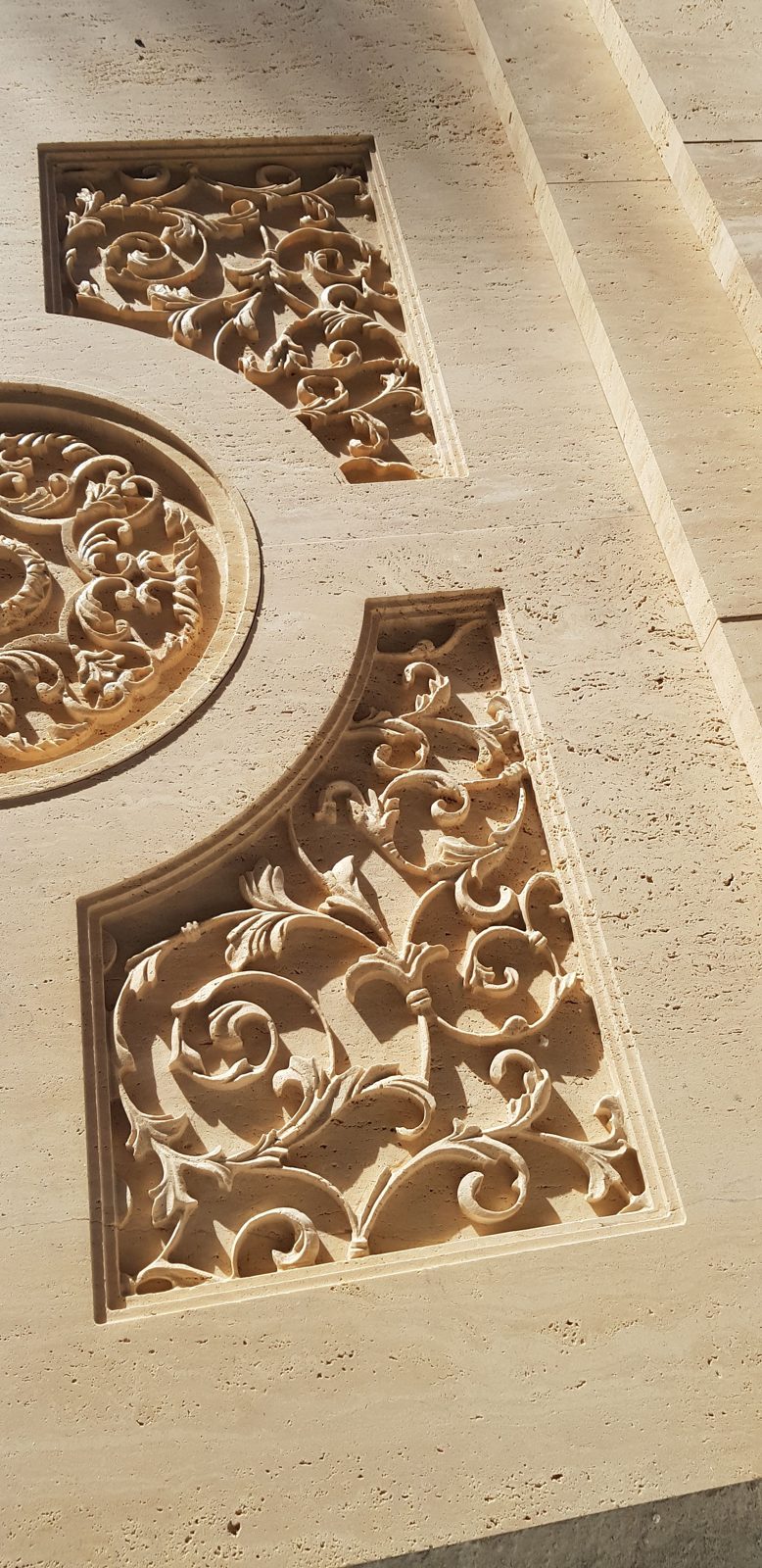
- Modern technology. Factories like ours combine multi-axis robotic carving and CNC cutting with hand-finishing, so complex classical ornaments and contemporary forms can be produced to exact drawings.
From quarry block to finished element
At Ebla Stone we oversee every stage of the stone journey: material selection, architectural concept, technical drawings, robotic production, hand-finishing and installation support. This lets us deliver everything from a single carved marble bathtub to complete facade packages with columns, capitals, cornices and mouldings.
Our work from this region can be seen in projects such as the Al-Ghanim Mosque in Kuwait (classic light travertine, cross cut), a private building on Palm Jumeirah, Dubai (seashell limestone) and several private residences in the USA.
Key facts about Ebla Stone
- Natural stone experience since 2009
- Factory established in 2014 in İscehisar, Afyonkarahisar, Turkey
- Robotic carving combined with master hand-finishing
- Focused exclusively on natural stone: marble, limestone, travertine and onyx
- Projects delivered in Kuwait, the UAE, the USA, Syria and beyond
Frequently Asked Questions
Where is Ebla Stone located?
Ebla Stone’s factory is located in the İscehisar Marble Organized Industrial Zone (İscehisar Mermer OSB. No:11, 03750) in Afyonkarahisar, Turkey.
What types of natural stone does Ebla Stone work with?
Ebla Stone works with marble, limestone, travertine and onyx, including white marbles, Tundra Grey and several limestone varieties.
Is Afyonkarahisar marble used internationally?
Yes. Stone from the Afyonkarahisar region is exported worldwide and used in residences, mosques, hotels and public buildings in the Middle East, Europe and North America.
Can Ebla Stone ship finished stone products abroad?
Yes. Ebla Stone delivers finished architectural elements and stone products to international projects, including Kuwait, the UAE and the USA.
Planning a project? Browse our natural stone products, see completed work in our portfolio, or request a quote — you can also reach our team directly on WhatsApp (+90 539 619 43 35).